https://en.wikipedia.org/wiki/Avro_Canada_CF-105_Arrow#Aftermath said:
Within two months of the cancellation, all aircraft, engines, production tooling and technical data were ordered scrapped. Officially, the reason given for the destruction order from cabinet and the chiefs of staff was to destroy classified and "secret" materials used in the Arrow and Iroquois programs. The action has been attributed to Royal Canadian Mounted Police fears that a Soviet "mole" had infiltrated Avro, which were later confirmed to some degree in the Mitrokhin Archives.
[...]
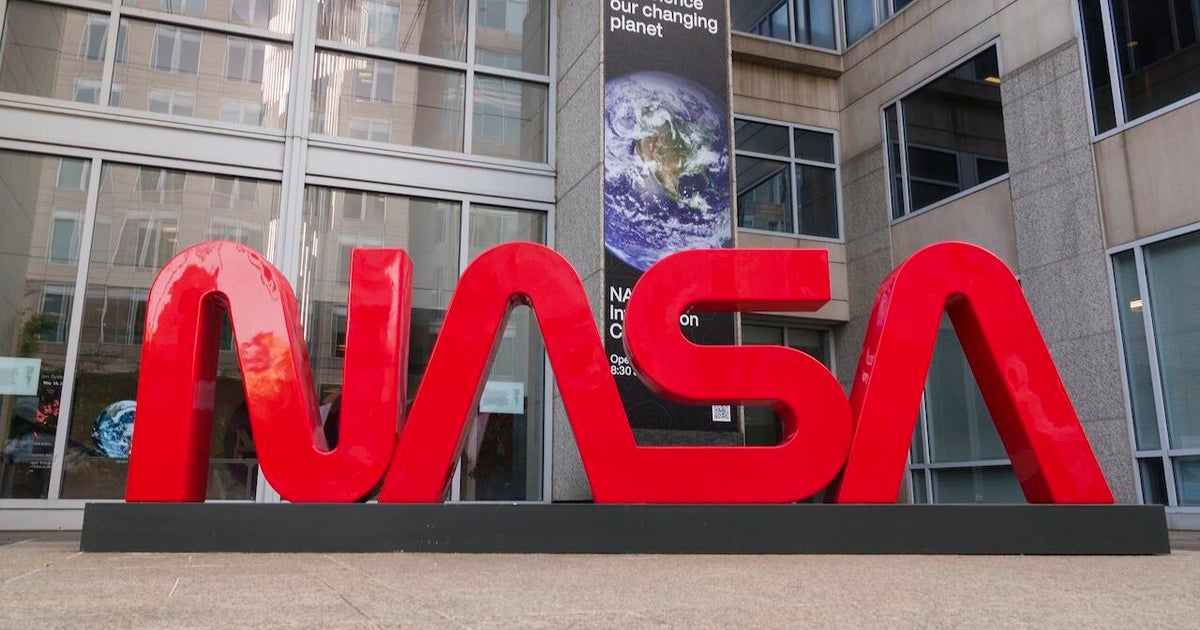
Following the cancellation of the Avro Arrow project, CF-105 chief aerodynamicist Jim Chamberlin led a team of 25 engineers to NASA's Space Task Group to become lead engineers, program managers, and heads of engineering in NASA's manned space programs—projects Mercury, Gemini and Apollo. The Space Task Group team eventually grew to 32 Avro engineers and technicians, becoming emblematic of what many Canadians viewed as "brain drain" to the United States. Among the former Arrow engineers to go south were Tecwyn Roberts (NASA's first flight dynamics officer on Project Mercury and later director of networks at the Goddard Space Flight Center), John Hodge (flight director and manager on the cancelled Space Station Freedom project), Dennis Fielder (director of the Space Station Task Force, later the Space Station), Owen Maynard (chief of the LM engineering office in the Apollo Program Office), Bruce Aikenhead, and Rod Rose (technical assistant for the Space Shuttle program). Many other engineers, including Jim Floyd, found work in either the UK or the United States. Work undertaken by both Avro Canada and Floyd benefited supersonic research at Hawker Siddeley, Avro Aircraft's UK parent, and contributed to programs such as the HSA.1000 supersonic transport design studies, influential in the design of the Concorde.
[...]
At the time of its cancellation, with specifications comparable to then-current offerings from American and Soviet design bureaus, the Arrow was considered by one aviation industry observer to be one of the most advanced aircraft in the world. According to Bill Gunston:
-- In its planning, design and flight-test programme, this fighter, in almost every way the most advanced of all the fighters of the 1950s, was as impressive, and successful as any aircraft in history.


 www.cbsnews.com

