
- Admin
- #1

Greg Bernhardt
Site Admin
- 478
- 305
Passed the senate with shinanigans and now likely to pass the house. Total capitulation from the legislative branch. We have a crisis.
Follow along with the video below to see how to install our site as a web app on your home screen.
Note: This feature may not be available in some browsers.
The recent passage of the "Big Beautiful Bill" in the Senate, despite significant opposition, indicates a troubling trend in U.S. fiscal policy. Senator Lisa Murkowski's vote reflects a prioritization of constituency approval over fiscal responsibility, raising concerns about the sustainability of U.S. debt. Hedge fund manager Ray Dalio warns that the U.S. is in a debt spiral, exacerbated by the proposed tax reforms which may provide short-term economic stimulus but will ultimately increase the budget deficit. The Tax Policy Center's analysis reveals that the wealthiest 20% will benefit disproportionately from the tax cuts, leading to widespread disappointment among the general populace.
PREREQUISITESThis discussion is beneficial for policymakers, economists, political analysts, and anyone interested in understanding the complexities of U.S. fiscal policy and its socio-economic implications.

Shows her true nature. A snake.Senator Murkowski's move to keep her constituency happy instead of not voting for the bill.

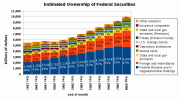
 www.gold.de
US investor and hedge fund manager Ray Dalio recently issued a stark warning about the economic risks posed by the US's rising debt. According to Dalio, the United States is in a classic debt spiral: government spending consistently exceeds revenue, causing the deficit to grow steadily. To cover this deficit, the government must borrow more and more money, which could lead to a long-term loss of confidence in the dollar and US bonds. Dalio emphasizes that this imbalance between spending and revenue will ultimately lead to economic instability and social tensions unless structural reforms are implemented.
...
Another driver of the debt explosion could be the tax package planned by Donald Trump, the so-called "Big, Beautiful Bill." While this massive tax reform package could provide economic stimulus in the short term, it would further increase the budget deficit and thus the US debt in the long term.
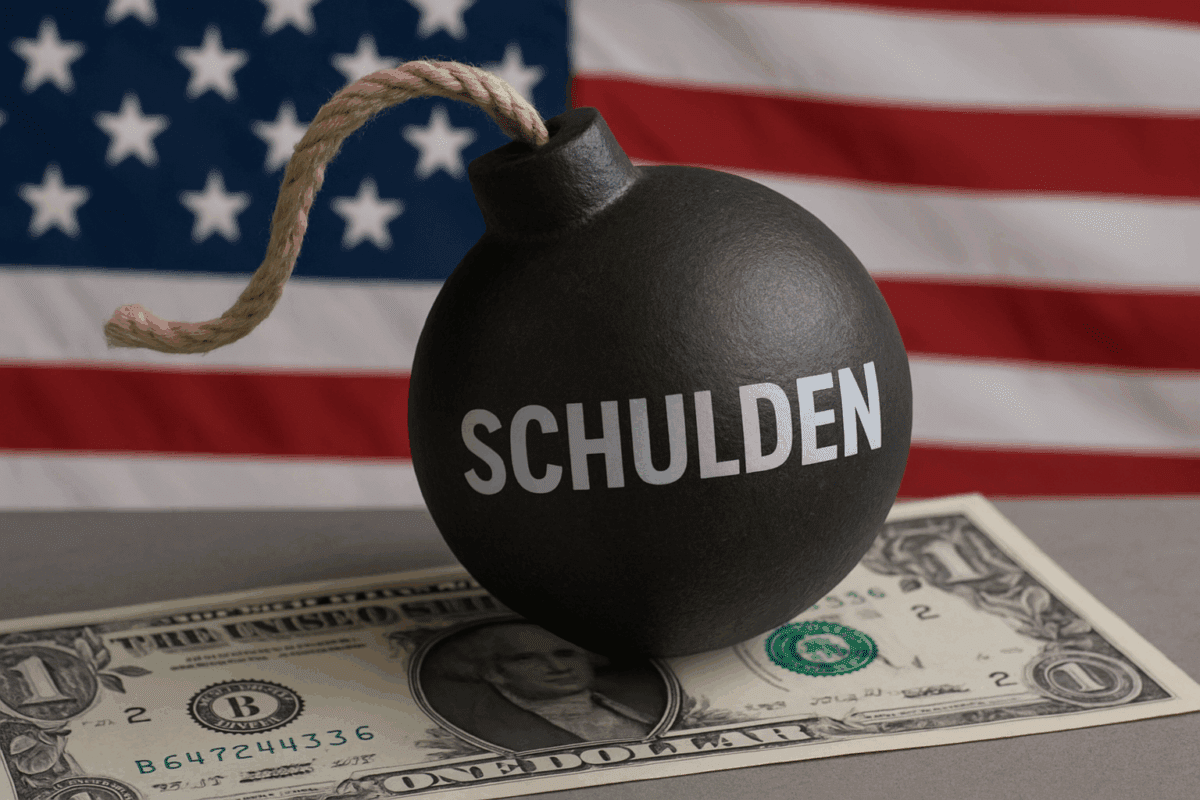
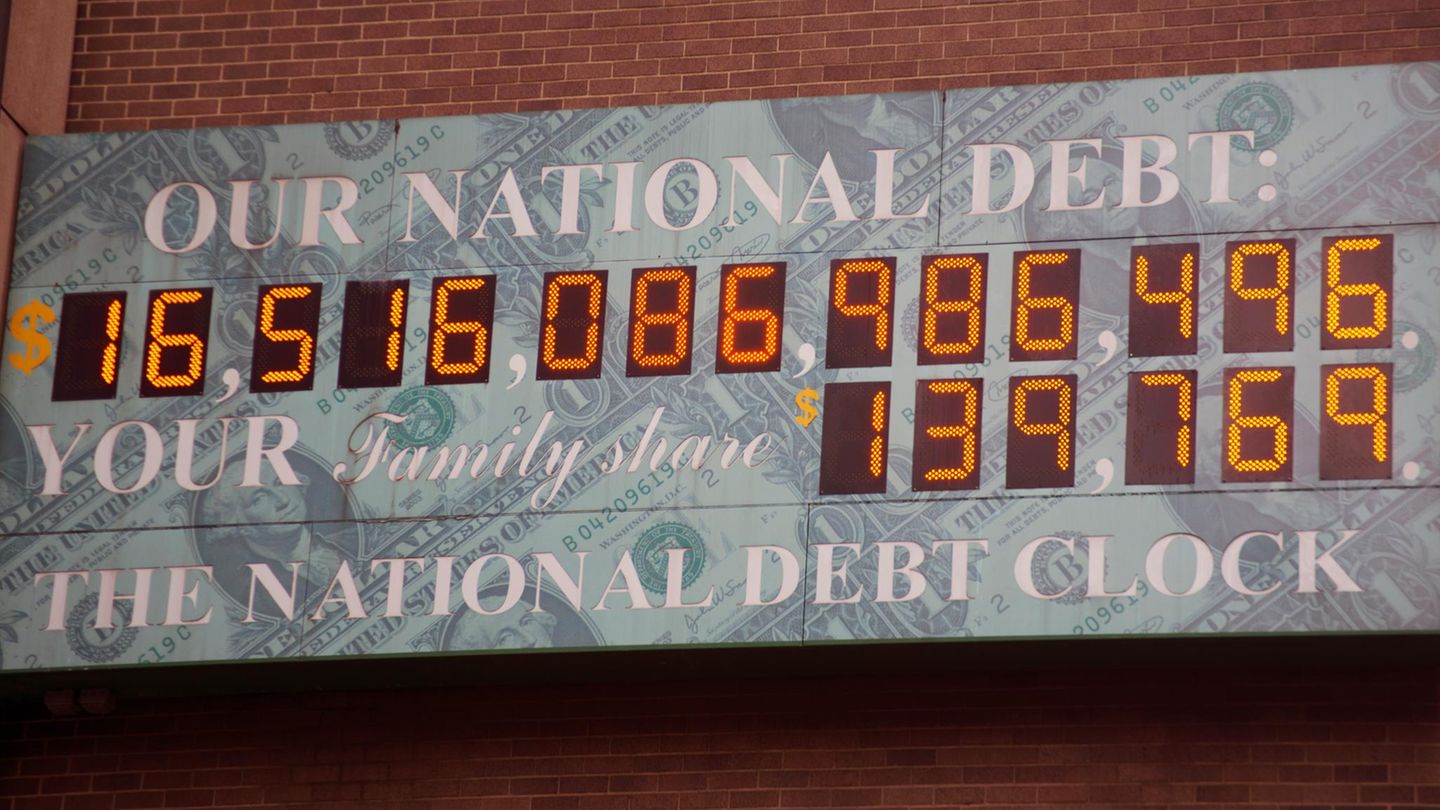
The video essentially argues: The US debt is enormously high and no longer sustainable. The national debt has now reached historic proportions. Lenders are demanding higher returns, and bond prices are falling – a clear indication that confidence in the US and its ability to service its debt is dwindling. The US finds itself in a dilemma: On the one hand, bonds must continue to be issued, which creates further debt; on the other hand, rising interest rates lead to higher interest burdens, which further increases the US debt.
According to Bravos Research, the US government is increasingly trying to conceal the debt burden through political maneuvers and follow-up measures such as interest rate policy or spending cuts, rather than actually reducing it. But such cosmetic interventions won't solve the problem: The US is financially on the brink because its debt burden isn't shrinking, but rather growing. The markets are sensing this – and reacting accordingly. The declining dollar and the fleeing capital flows are clear signals that US debt is increasingly putting a strain on the economic system.
House Ways and Means Website
The typical family will get up to $10,900 in additional take-home pay.
Workers will see increased wages up to $7,200.
Households earning less than $100,000 get a 12 percent tax cut compared to today.
Locks in and further boosts the doubled Child Tax Credit to $2,200 for more than 40 million American families.
Locks in and further boosts the doubled Standard Deduction, increasing it to $31,500 for families.
White House Website
The President’s legislation will put more than $10,000 a year back in the pockets of typical hardworking families.
...but I think it won't be based on the less than expected tax cut. Based on the reduced spending (together with the trade war) the economy as a whole is expected to get a serious blow.Much disappointment is coming.