SUMMARY
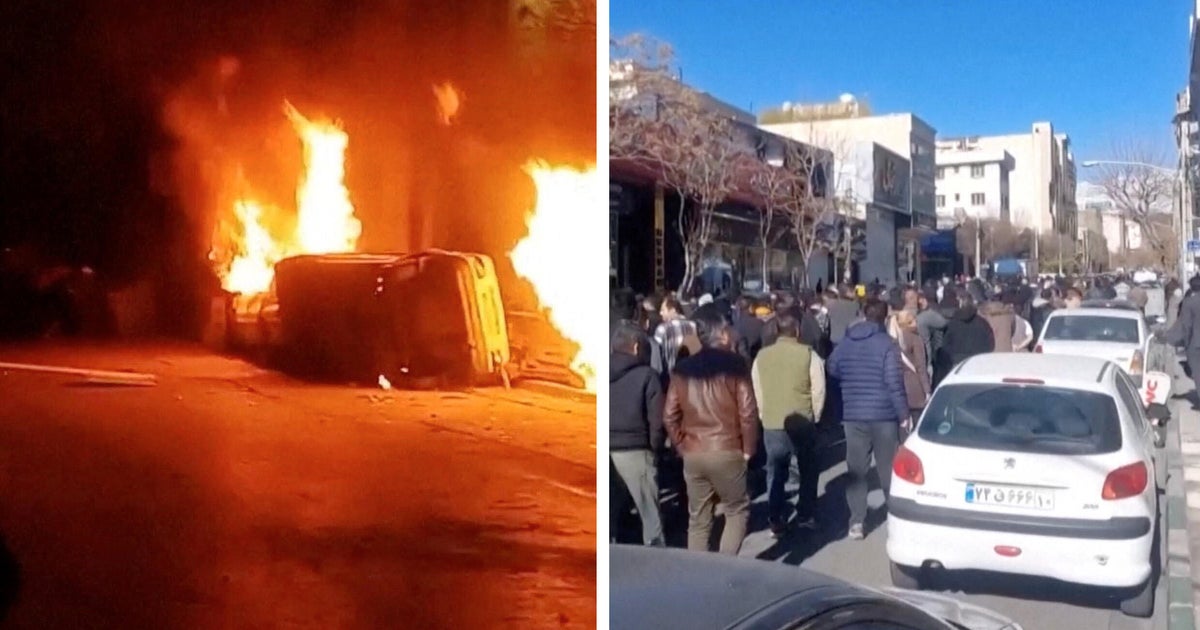
The ongoing protests in Iran have escalated into significant civil unrest, with revolutionary guards reportedly shooting at demonstrators and widespread destruction of guard buildings. The country faces a dire economic situation exacerbated by severe drought conditions, which have been attributed to corruption and bureaucratic failures. The unrest has spread across multiple cities, indicating a nationwide discontent with the current regime. Historical patterns suggest that the Iranian leadership has previously weathered similar crises, raising questions about the potential outcomes of this turmoil.
PREREQUISITES
- Understanding of Iranian political history and current governance structures.
- Knowledge of economic indicators and their implications in geopolitical contexts.
- Awareness of environmental issues, particularly drought management and its socio-political impacts.
- Familiarity with civil unrest dynamics and historical precedents in authoritarian regimes.
NEXT STEPS
- Research the impact of drought on socio-political stability in Iran.
- Examine case studies of civil unrest in authoritarian regimes, focusing on outcomes and government responses.
- Investigate the role of foreign interference in shaping Iran's economic conditions.
- Explore the historical context of previous Iranian revolts and the regime's survival strategies.
USEFUL FOR
Political analysts, historians, environmental scientists, and anyone interested in understanding the complexities of civil unrest in authoritarian regimes, particularly in the context of Iran.