Unusually timed trades around Trump’s Iran announcement have raised questions about who knew what and when

www.salon.com
But someone seems to have known that Trump was going to back down exactly when he did. CNBC
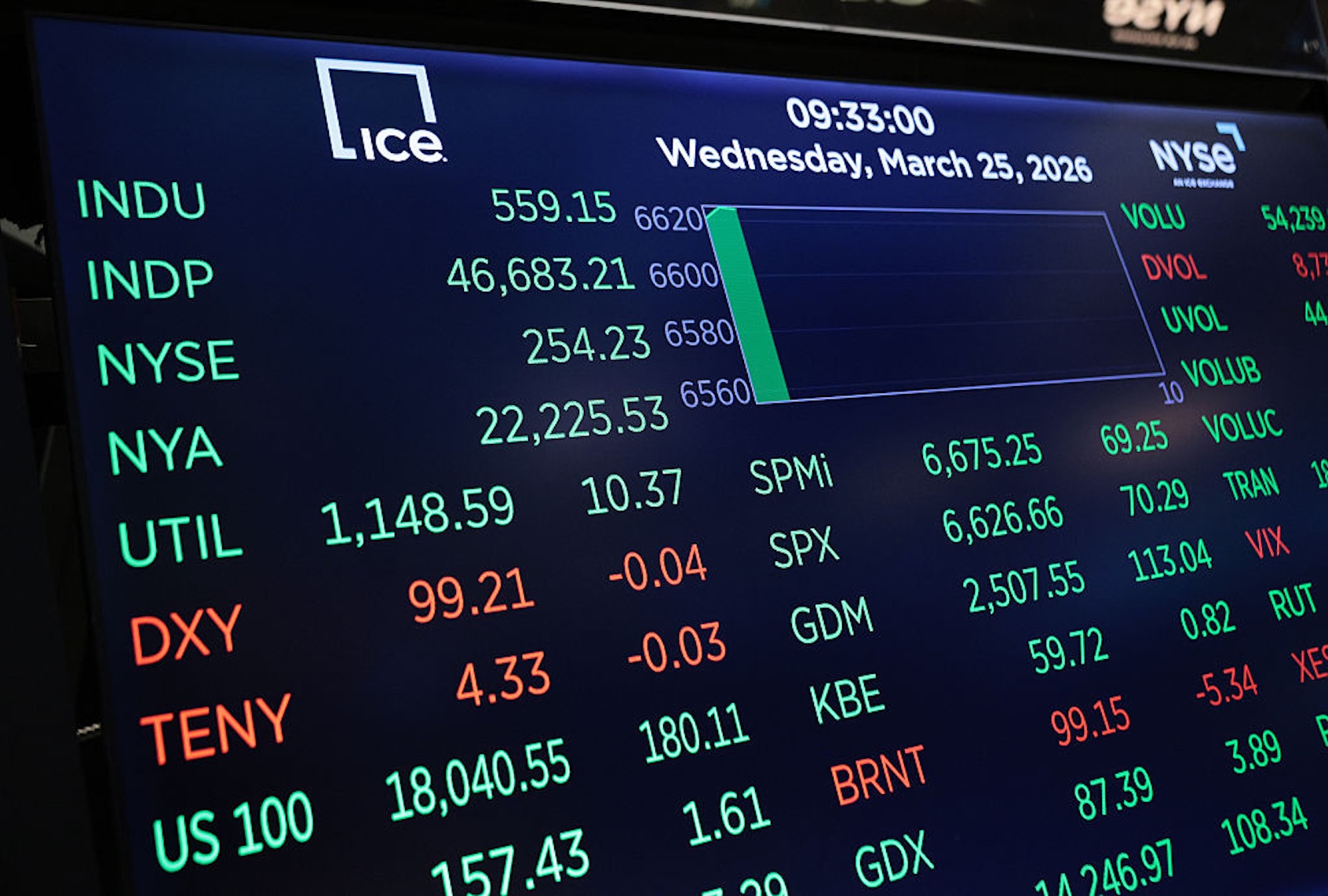
reported later that day that at 6:49 a.m., the S&P 500 e-Mini futures trading on the Chicago Mercantile Exchange — the world’s largest derivatives marketplace for futures and options, — saw a “sharp and isolated jump in volume.” It also happened on the Barito Renewables Energy (BREN) and West Texas Intermediate May futures oil markets, where contracts valued at $580 million
were sold. Bloomberg News
analyzed trading on those markets during the same period of time over the previous five days; the average trading level was around 700 contracts. In a one-minute period on Monday — between 6:49 and 6:50 — about 6,200 contracts were traded.
The only explanation that makes any sense is that someone knew that within 15 minutes Donald Trump was going to announce he was backing off his threats against Iran — and that the markets would surge on the news.
As Axios
noted on Wednesday, “Mysterious trading patterns [have followed] Trump into war.” Each time he announces a consequential decision, the report found, an “epidemic of suspicious trading” occurs just before the news would affect the markets.
People appear to have been profiteering on the prediction-market website Polymarket as well, beginning with Trump’s military operation in Venezuela.
According to the BBC, one trader made $436,000 on a $32,000 bet on the timing of the capture of Venezuelan President Nicolás Maduro. CNN
reported that another trader has made nearly $1 million since 2024 from “dozens of well-timed bets that correctly predicted U.S. and Israeli military actions against Iran,” profits almost certainly derived from insider information. According to the report, “the bettor won a staggering 93% of their five-figure wagers about Iran, even though the events they predicted were unannounced military operations.”
This threat is acute enough that observers are warning that the ability to anonymously make such large bets on current events could motivate the people involved to alter outcomes for their own financial benefit. This is bad when it comes to sports, but it’s downright terrifying when it comes to wars.