SUMMARY
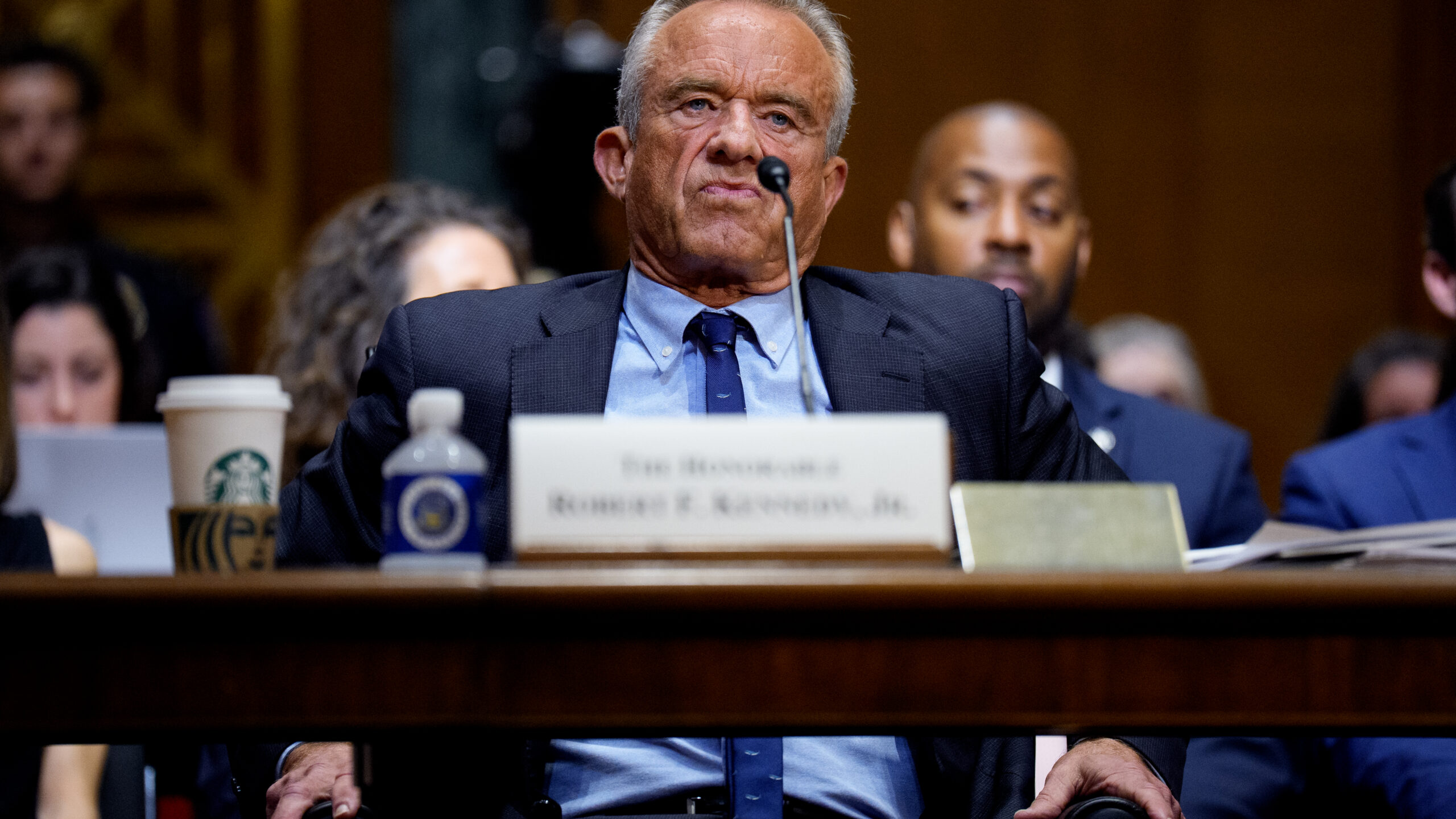
Trump's recent statement linking Tylenol to autism has been criticized as a politically motivated distraction rather than a scientifically grounded claim. The discussion highlights that this announcement serves more as a culture war tactic, with minimal impact on public perception of Tylenol. Critics argue that the statement is a product of cynicism and serves to create division rather than inform. The involvement of figures like RFK Jr. in this discourse further complicates the narrative, as he has alienated both anti-vaccine advocates and the general public.
PREREQUISITES
- Understanding of autism and its causes
- Familiarity with over-the-counter medications, specifically acetaminophen
- Knowledge of political discourse and media influence
- Awareness of conspiracy theories and their societal impact
NEXT STEPS
- Research the scientific studies on acetaminophen and autism
- Examine the role of political figures in public health messaging
- Explore the impact of misinformation on public perception of medications
- Investigate the history and influence of conspiracy theories in American politics
USEFUL FOR
This discussion is beneficial for political analysts, public health professionals, and anyone interested in the intersection of science, politics, and public perception regarding health issues.


 www.aljazeera.com