SUMMARY
The recent U.S. bombing of Iranian nuclear sites has sparked significant debate regarding the implications of military action against Iran's nuclear program. Key figures, including President Trump and Senator J.D. Vance, have framed the conflict as a targeted effort against nuclear capabilities rather than a war with Iran itself. Analysts express concern over the influence of far-right Christian nationalists on U.S. foreign policy, particularly regarding the potential escalation of military actions. The discussion highlights the complex geopolitical landscape, emphasizing that Iran, with its substantial population and political cohesion, differs significantly from Iraq.
PREREQUISITES
- Understanding of U.S. foreign policy and military strategy
- Knowledge of Iran's geopolitical significance and demographics
- Familiarity with the influence of religious and political ideologies on international relations
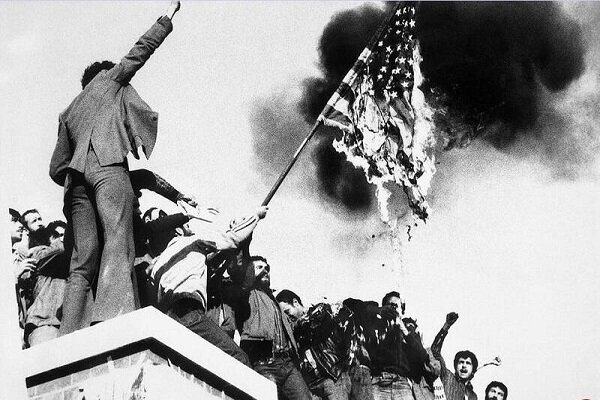
- Awareness of the historical context of U.S.-Iran relations
NEXT STEPS
- Research the implications of U.S. military interventions in the Middle East
- Study the demographics and political structure of Iran
- Examine the role of religious groups in shaping U.S. foreign policy
- Learn about the historical context of nuclear non-proliferation treaties involving Iran
USEFUL FOR
This discussion is beneficial for political analysts, foreign policy experts, military strategists, and anyone interested in understanding the complexities of U.S.-Iran relations and the impact of ideological influences on international conflict.